Unlocking the Secrets of Mood Stones: A Guide to Understanding Their Power
Mood stones have captivated people for centuries, offering a fascinating intersection between geology, psychology, and spirituality. These remarkable gemstones are believed to reflect and influence emotional states, providing insight into our inner worlds while potentially promoting healing and balance. Whether you're a seasoned crystal enthusiast or a curious newcomer, understanding the secrets of mood stones can open doors to deeper self-awareness and emotional wellness. This comprehensive guide will explore everything you need to know about mood stones, from their scientific properties to their metaphysical applications.
The History and Origins of Mood Stones
The concept of mood stones isn't entirely modern, though their popularity surged in the 1970s and 1980s. The history of these fascinating gemstones is deeply rooted in ancient civilizations that recognized the connection between minerals and human emotion. Archaeological evidence suggests that ancient Egyptians, Greeks, and Romans all utilized colored stones for their purported emotional and healing properties.
Ancient Civilizations and Crystal Healing
In ancient Egypt, gemstones were considered sacred objects with powerful spiritual properties. Pharaohs and high priests wore specific stones believed to enhance their connection to the divine and maintain emotional equilibrium. The Egyptians documented their beliefs about stones in papyri, creating some of the earliest written records of crystal healing practices. They associated different colors with different emotional states and spiritual qualities, laying the groundwork for what would eventually become modern mood stone theory.
The ancient Greeks also held stones in high regard, incorporating them into their medical and spiritual practices. Greek physicians would recommend specific gemstones to patients suffering from emotional disturbances or psychological ailments. They believed that the vibrations emitted by these stones could harmonize with the body's natural frequencies, promoting healing and emotional stability.
The Modern Mood Stone Movement
The contemporary mood stone phenomenon truly began in the 1970s when thermochromic liquid crystals were incorporated into polished stone settings. These innovative mood rings and mood stones used temperature-sensitive materials that would change color based on the wearer's body temperature, which was theorized to fluctuate with emotional states. While the science behind this was somewhat speculative, the concept captured the public imagination and sparked renewed interest in the metaphysical properties of gemstones.
Throughout the 1980s and 1990s, mood stones became increasingly popular as people sought alternative approaches to emotional wellness and self-discovery. The New Age movement embraced these stones as tools for meditation, healing, and spiritual development. Today, mood stones remain popular among crystal enthusiasts, holistic practitioners, and anyone interested in exploring the connection between minerals and emotional well-being.
Understanding the Science Behind Mood Stones
While the metaphysical properties of mood stones are matters of personal belief and spiritual practice, there is genuine scientific interest in how minerals and gemstones interact with human physiology and psychology.
The Role of Color Psychology
Color psychology plays a significant role in understanding how mood stones influence our emotional states. Different colors have been scientifically shown to affect mood, perception, and behavior. When we interact with mood stones, the colors we perceive can trigger psychological responses that influence our emotional state.
Red stones, for example, are associated with energy, passion, and vitality. The color red stimulates the nervous system and increases heart rate, making red mood stones popular among those seeking to boost energy and motivation. Blue stones, conversely, are linked to calmness, tranquility, and communication. The color blue has been shown to lower blood pressure and promote relaxation, making blue mood stones ideal for stress relief and emotional balance.
Green stones represent growth, healing, and renewal. Green is considered the most balanced color, promoting harmony and emotional stability. Purple stones are associated with spirituality, intuition, and transformation. The color purple stimulates the imagination and encourages introspection, making purple mood stones valuable tools for meditation and spiritual exploration.
Crystalline Structure and Energy
From a scientific perspective, crystals possess unique geometric structures that create specific vibrational frequencies. While the concept of crystal energy remains controversial in mainstream science, researchers have documented that crystals exhibit piezoelectric properties, meaning they generate electrical charges when subjected to pressure. Some theorists suggest that these vibrational frequencies might interact with the human biofield, though this remains largely unproven.
The ordered, symmetrical structure of crystals is fundamentally different from amorphous materials. This geometric precision creates a sense of harmony and balance that many people find aesthetically and emotionally pleasing. Whether this is due to actual energetic properties or simply the psychological effect of interacting with beautiful, ordered objects remains an open question.
Temperature Sensitivity and Emotional Indicators
Traditional mood stones that change color based on temperature operate on a straightforward scientific principle. Body temperature fluctuates throughout the day and can be influenced by emotional states, physical activity, and environmental factors. When you're anxious or stressed, your body often redirects blood flow to vital organs, causing extremities to cool slightly. Conversely, excitement or physical exertion increases body temperature.
Thermochromic mood stones capitalize on these natural temperature variations. The liquid crystals embedded in these stones respond to temperature changes by altering their molecular structure, which changes how they reflect light and thus their apparent color. While this doesn't necessarily prove that the stone is reading your emotions, it does create a tangible connection between your physiological state and the stone's appearance, which can be psychologically meaningful.
Types of Mood Stones and Their Properties
There are numerous varieties of mood stones, each with distinct characteristics and purported properties. Understanding the different types can help you select stones that resonate with your specific emotional needs and spiritual goals.
Amethyst: The Stone of Tranquility
Amethyst is one of the most popular mood stones, prized for its beautiful purple hue and calming properties. This variety of quartz is believed to promote peace, reduce anxiety, and enhance spiritual awareness. Many people keep amethyst near their bedside to improve sleep quality and encourage peaceful dreams. The stone is associated with the crown chakra and is thought to facilitate meditation and spiritual connection.
From a scientific perspective, amethyst's purple color comes from iron impurities and natural irradiation within the crystal structure. The color itself has been shown to have calming effects on the human psyche, which may explain why amethyst is so widely used for stress relief and emotional balance.
Rose Quartz: The Stone of Love and Compassion
Rose quartz is renowned for its gentle pink color and its association with love, compassion, and emotional healing. This stone is believed to open the heart chakra, promoting self-love, forgiveness, and emotional acceptance. Many people use rose quartz to heal from emotional trauma, strengthen relationships, and cultivate a more compassionate approach to life.
The soft pink color of rose quartz is attributed to titanium, iron, and natural irradiation. This gentle hue has been shown to have soothing effects on the nervous system, promoting relaxation and emotional openness. Rose quartz is often used in crystal healing practices focused on emotional wellness and relationship harmony.
Citrine: The Stone of Abundance and Joy
Citrine, a golden-yellow variety of quartz, is associated with abundance, joy, and positive energy. This stone is believed to attract prosperity, enhance creativity, and promote optimism. Many people carry citrine to boost confidence, overcome negative thought patterns, and manifest their goals and desires.
The warm yellow color of citrine is caused by iron impurities and natural irradiation. Yellow is psychologically associated with happiness, optimism, and mental clarity. Citrine's bright, uplifting color makes it an excellent choice for those seeking to elevate their mood and attract positive energy into their lives.
Lapis Lazuli: The Stone of Truth and Wisdom
Lapis lazuli is a deep blue stone with golden pyrite flecks, prized for its association with truth, wisdom, and spiritual insight. This stone is believed to enhance intuition, promote clear communication, and facilitate access to higher consciousness. Many spiritual practitioners use lapis lazuli during meditation and divination practices.
The rich blue color of lapis lazuli comes from lazurite, a mineral that has been valued since ancient times. This deep blue has been shown to promote calmness and mental clarity, making lapis lazuli an excellent choice for those seeking to enhance their intuitive abilities and access deeper wisdom.
Black Tourmaline: The Stone of Protection
Black tourmaline is a powerful protective stone believed to shield against negative energy and emotional harm. This stone is often used by empaths and highly sensitive individuals who need protection from absorbing others' emotions. Black tourmaline is also associated with grounding and emotional stability.
The dark color of black tourmaline is associated with protection, grounding, and stability. This stone's dense, heavy energy is believed to anchor you to the earth and protect your emotional boundaries, making it valuable for those navigating challenging emotional situations.
How to Choose the Right Mood Stone for You
Selecting the appropriate mood stone is a deeply personal process that should reflect your individual needs, preferences, and spiritual beliefs. There are several approaches you can take to find the mood stone that resonates most strongly with you.
Intuitive Selection
Many people find that they're naturally drawn to certain stones. When browsing mood stones, pay attention to which ones catch your eye or feel appealing to you. This intuitive attraction often indicates that the stone's energy aligns with your current emotional needs. Trust your instincts and allow yourself to be guided by your intuition when selecting mood stones.
Color Association
Consider what emotional qualities you're seeking to cultivate or enhance. If you need more calm and peace, gravitate toward blue or purple stones. If you're seeking to boost energy and motivation, choose red or orange stones. If you want to promote healing and growth, select green stones. Your color preferences can provide valuable guidance in selecting mood stones that will support your emotional goals.
Chakra Alignment
The chakra system, a concept from Hindu and Buddhist traditions, associates different energy centers in the body with specific colors and emotional qualities. If you're familiar with chakra work, you can select mood stones that align with the chakras you're seeking to balance or activate. For example, if you're working on opening your heart chakra, rose quartz would be an excellent choice.
Research and Education
Take time to research different mood stones and their purported properties. Read books, articles, and testimonials from other practitioners. Learn about the historical and cultural significance of different stones. This knowledge can help you make informed decisions about which stones will best support your emotional wellness journey.
Physical Interaction
When possible, hold different mood stones in your hand and notice how they make you feel. Some people report feeling warmth, tingling, or other physical sensations when holding stones that resonate with them. Others experience emotional shifts or intuitive insights. Pay attention to these subtle responses as you interact with different stones.
Incorporating Mood Stones into Your Daily Life
Once you've selected your mood stones, there are numerous ways to incorporate them into your daily routine to maximize their benefits and support your emotional wellness.
Wearing Mood Stone Jewelry
One of the most popular ways to work with mood stones is through jewelry. Mood stone rings, necklaces, bracelets, and earrings keep the stone's energy close to your body throughout the day. Wearing mood stone jewelry serves as a constant reminder of your emotional intentions and can help you maintain emotional balance and awareness as you navigate daily challenges.
When selecting mood stone jewelry, consider which chakra or body area you want to focus on. Necklaces and pendants keep the stone near your heart chakra, promoting emotional openness and compassion. Rings keep the stone in your hands, where you can touch it throughout the day for grounding and reassurance. Bracelets keep the stone near your wrist, where it can influence your energy as you interact with the world.
Meditation with Mood Stones
Meditation is a powerful practice for emotional wellness, and incorporating mood stones can deepen your practice. Hold a mood stone in your hand or place it on your body during meditation. Focus on the stone's color, texture, and energy as you breathe deeply and quiet your mind. Many people find that mood stones help them enter deeper meditative states and access spiritual insights.
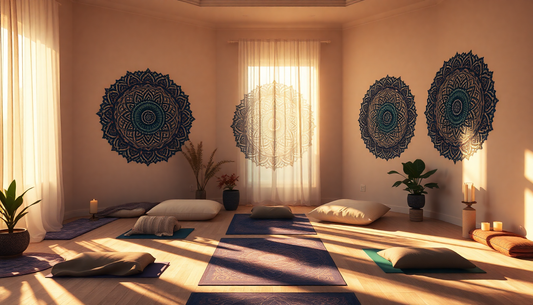
You can also create a meditation space by arranging mood stones around your meditation area. This creates a sacred space infused with the stones' energy, supporting your practice and promoting emotional balance and spiritual connection.
Placing Mood Stones in Your Home
The placement of mood stones in your home can influence the emotional energy of your space. Place calming stones like amethyst in your bedroom to promote restful sleep. Position energizing stones like citrine in your workspace to boost creativity and productivity. Arrange protective stones like black tourmaline near your front door to shield your home from negative energy.
Many people create crystal grids in their homes, arranging multiple mood stones in geometric patterns believed to amplify their combined energy. These grids can be designed to support specific intentions, such as promoting abundance, healing relationships, or enhancing spiritual connection.
Carrying Mood Stones
Keep a small mood stone in your pocket, purse, or bag to carry its energy with you throughout the day. When you feel stressed, anxious, or emotionally overwhelmed, you can touch your mood stone to ground yourself and reconnect with your emotional intentions. This simple practice can provide comfort and support during challenging moments.
Creating a Mood Stone Altar
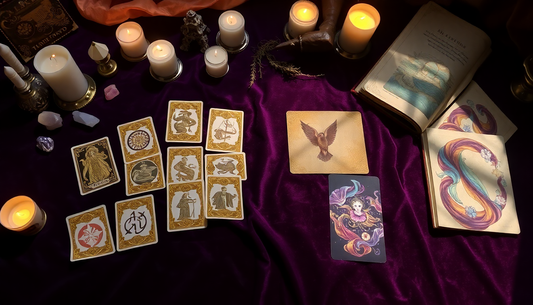
Many spiritual practitioners create personal altars featuring their favorite mood stones. An altar serves as a sacred space dedicated to your emotional wellness and spiritual growth. Arrange your mood stones on a cloth or wooden surface, perhaps alongside candles, incense, or other meaningful objects. Spend time at your altar daily to meditate, reflect, and reconnect with your emotional intentions.
The Psychology of Mood Stones: Placebo or Real Power?
One of the most debated aspects of mood stones is whether their effects are genuine or primarily psychological. This question touches on fundamental issues about the nature of consciousness, healing, and the mind-body connection.
The Placebo Effect and Emotional Wellness
The placebo effect is a well-documented phenomenon in which people experience real improvements in their condition based on their belief that they're receiving treatment, even when the treatment has no inherent therapeutic properties. Some skeptics argue that the benefits people experience from mood stones are entirely due to the placebo effect.
However, it's important to recognize that the placebo effect is not merely psychological illusion. When people believe they're receiving treatment, their brains actually produce measurable neurochemical changes that can lead to genuine improvements in their condition. If mood stones help people feel calmer, more focused, or more emotionally balanced through the placebo effect, that benefit is real and valuable, even if it's not due to the stones' inherent properties.
The Power of Intention and Attention
Working with mood stones requires intention and attention. When you select a mood stone, you're making a conscious decision to prioritize your emotional wellness. When you carry or wear the stone, you're reminded throughout the day to check in with your emotions and maintain awareness of your emotional state. This intentional focus on emotional wellness can lead to genuine improvements in mood and emotional resilience.
The act of paying attention to your emotions is itself therapeutic. By using mood stones as tools for emotional awareness, you're developing greater emotional intelligence and self-understanding. This increased awareness can lead to better emotional regulation and more conscious choices about how you respond to emotional challenges.
The Mind-Body Connection
Modern neuroscience increasingly recognizes the profound connection between mind and body. Our thoughts, beliefs, and emotions influence our physiology, and our physical state influences our mental and emotional experience. When you interact with a beautiful, meaningful object like a mood stone, you're engaging both your mind and body in a way that can promote emotional wellness.
The sensory experience of holding a smooth, cool stone can activate your parasympathetic nervous system, promoting relaxation and calm. The visual beauty of the stone can uplift your mood and inspire positive emotions. The symbolic meaning you assign to the stone can help you access deeper emotional resources and spiritual wisdom. All of these factors work together to create genuine emotional benefits.
Scientific Research on Crystal Healing
While mainstream science remains skeptical about the metaphysical properties of crystals, some researchers have begun investigating the effects of crystal healing on emotional and physical well-being. A few studies have suggested that crystal healing may have measurable effects beyond placebo, though the evidence remains limited and controversial.
One area of scientific interest is the potential for crystals to influence electromagnetic fields. Some researchers theorize that the piezoelectric properties of crystals might allow them to interact with the body's bioelectric field, though this remains highly speculative. More research is needed to determine whether crystals have genuine energetic properties or whether their benefits are primarily psychological.
Caring for Your Mood Stones
Proper care and maintenance of your mood stones ensures they remain beautiful and energetically potent. Different stones require different care approaches based on their mineral composition and hardness.
Cleansing Your Mood Stones
Many practitioners believe that mood stones absorb emotional energy from their environment and from the people who handle them. Regular cleansing is thought to remove accumulated negative energy and restore the stone's natural vibration. There are several methods for cleansing mood stones.
Running water is one of the simplest cleansing methods. Hold your mood stone under cool running water for several minutes, visualizing any negative energy washing away. However, some stones are sensitive to water and can be damaged by prolonged exposure, so research your specific stone's properties before using this method.
Moonlight is another popular cleansing method. Place your mood stones on a windowsill or outside during a full moon and leave them overnight. The moon's energy is believed to cleanse and recharge the stones. This method is gentle and suitable for all types of stones.
Smudging with sage or other sacred herbs is a traditional cleansing practice. Pass your mood stone through the smoke of burning sage, visualizing the smoke carrying away any negative energy. This method is particularly popular among those with spiritual or indigenous practices.
Burying your mood stones in the earth for a